AUG 2026PRODUCT STATUS
01Operational integration model published
Harpia is presented as an operational intelligence engine for controlled integration with authorized client telemetry.

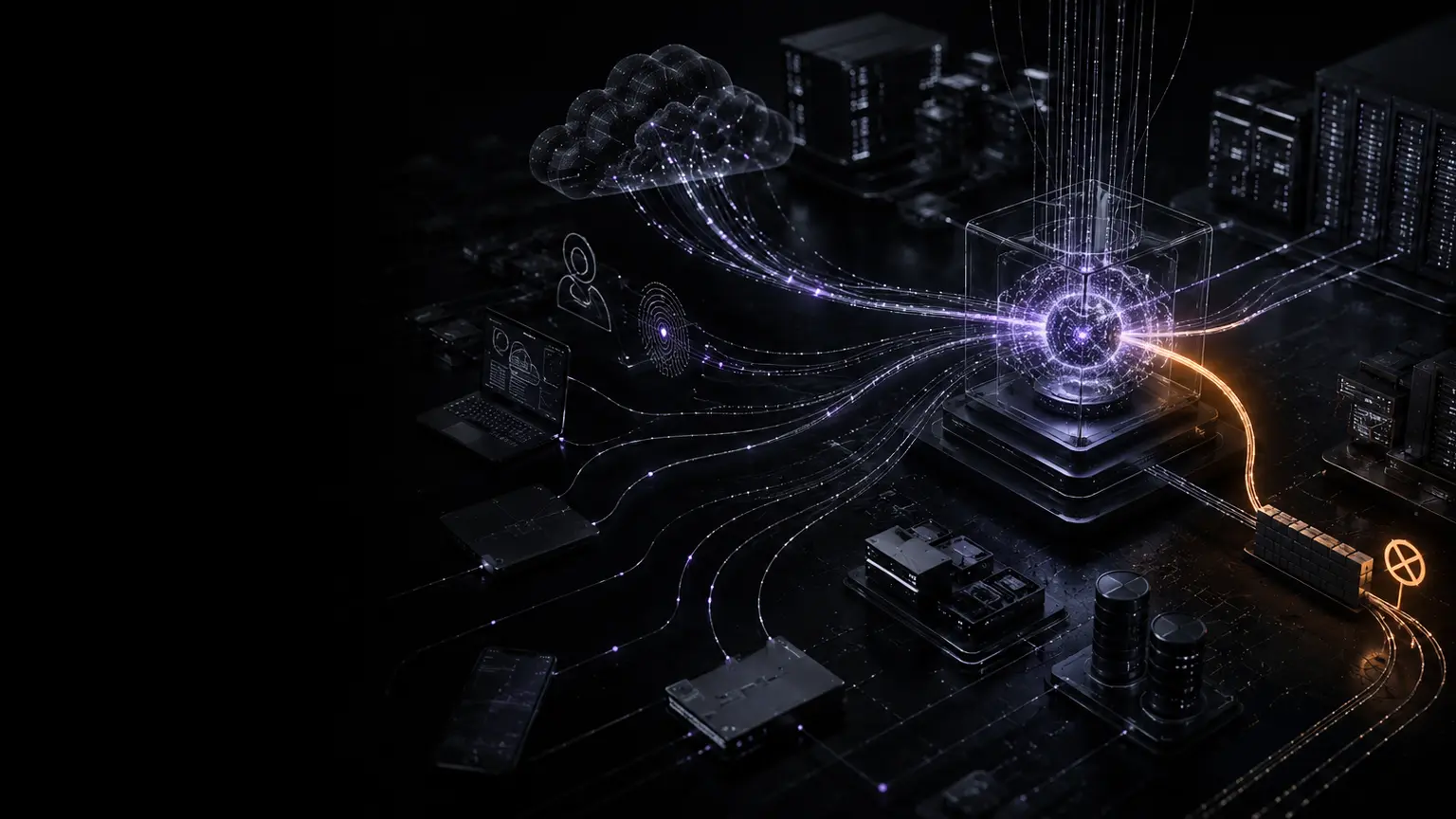
An operational Cybersecurity Intelligence Engine ready for controlled integration with client telemetry and defensive workflows.
 Cybersecurity Intelligence Engine
Signal becomes context. Context becomes defensive advantage.
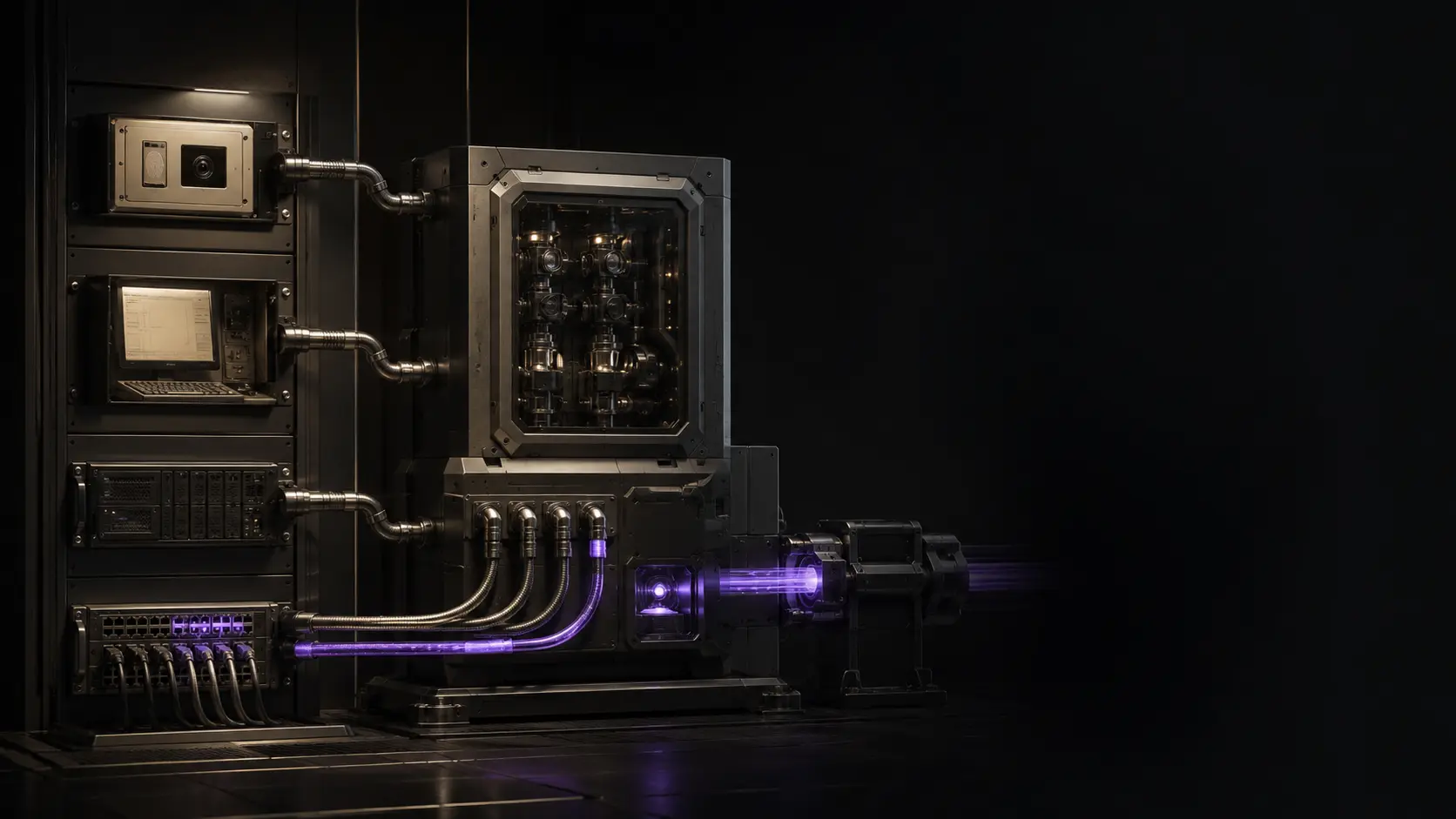
The premise
Identity events, endpoint activity, cloud telemetry, network signals and threat intelligence often remain separated. Harpia is designed around a different premise: intelligence emerges when evidence is normalized, related and evaluated in context.
Harpia is not a chatbot or a general-purpose language model. It is an operational security intelligence system designed for controlled integration with client environments.
Intelligence pipeline
The operating model connects authorized telemetry to contextual analysis, prioritization and controlled defensive action.
Harpia updates
Product status, engineering improvements, research and public documentation are recorded with clear scope and maturity.
Harpia is presented as an operational intelligence engine for controlled integration with authorized client telemetry.
Clients can review the role of behavioral analysis, anomaly detection, threat intelligence, correlation, risk analysis and controlled automation.
Product, research and documentation changes now have one public and factual record.
What we work on
Prepare authorized security data for consistent analysis.
Relate behavior, anomalies and threat context.
Turn evidence into investigation and controlled response.
Evaluate quality, traceability and operating boundaries.
Explore the system
Follow the path from telemetry to informed response.
Understand logical layers and control boundaries.
See how each operating capability contributes to defensive decisions.
Track verified research and product changes.
Review current evolution priorities.
Read public concepts and disclosure boundaries.